Public buyer warning

BUYER BEWARE: BALLPARK_ALEX — FRAUDULENT ACTIVITY EXPOSED

He sold a $1,200 Shohei Ohtani card advertised as perfectly clean. The listing photos were AI-enhanced. The card arrived with a damaged corner. When asked to make it right, he told the buyer to do their worst — and blocked them.

The Story

A self-appointed champion of "trust and transparency" sold an AI-“restored” card and never mentioned the damage

Ballpark_alex — Alex Diaz of Miami, Florida — is a familiar name to a lot of collectors: 17,000 Instagram followers, a seat on the CTCA Advisory Board, and a published column series about trust in the hobby. That reputation is exactly what made this work. His listing photos showed a flawless card. What arrived had a soft, whitened corner no honest photo could have hidden.

When confronted with the evidence — including metadata stripped from his own images — he never denied it. He refused every resolution, deleted the listing, and blocked the buyer.

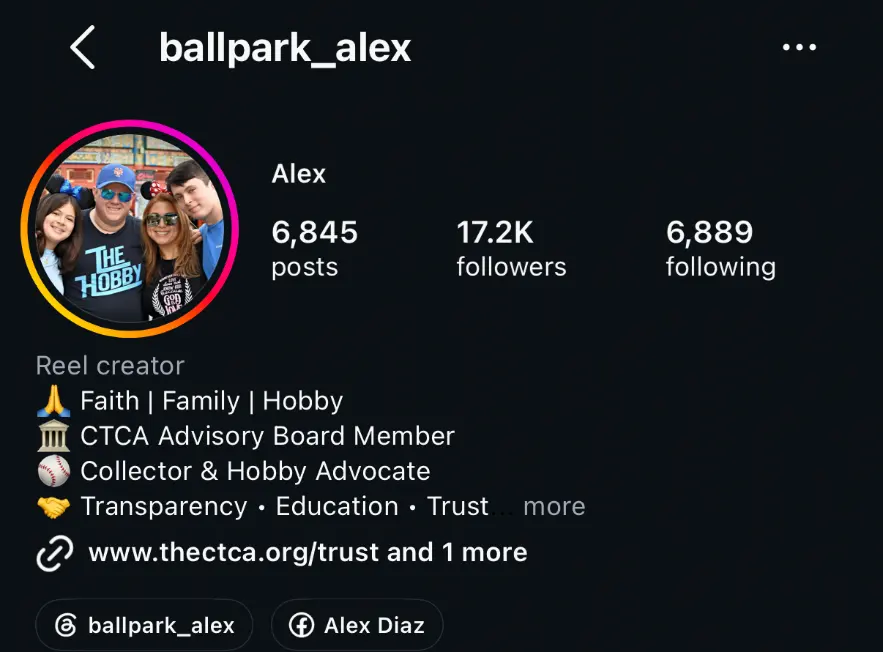
Ballpark_alex Instagram profile — Ballpark Alex, CTCA Advisory Board member
Instagram: @ballpark_alex — 17.2K followers, “CTCA Advisory Board Member,” “Transparency · Education · Trust.”
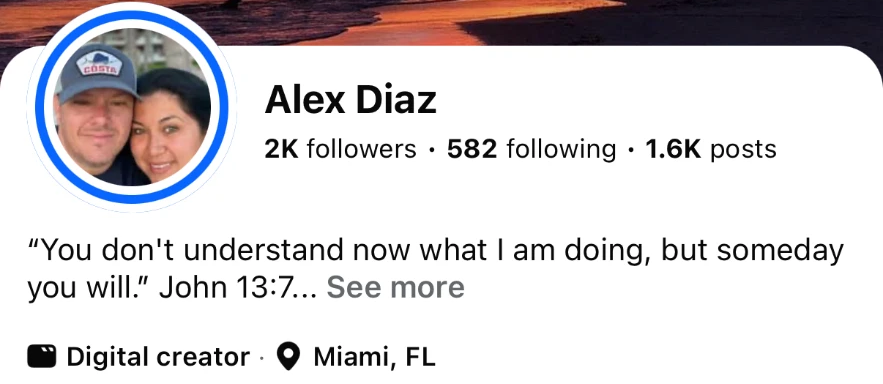
Alex Diaz (Ballpark Alex) Facebook Marketplace seller profile
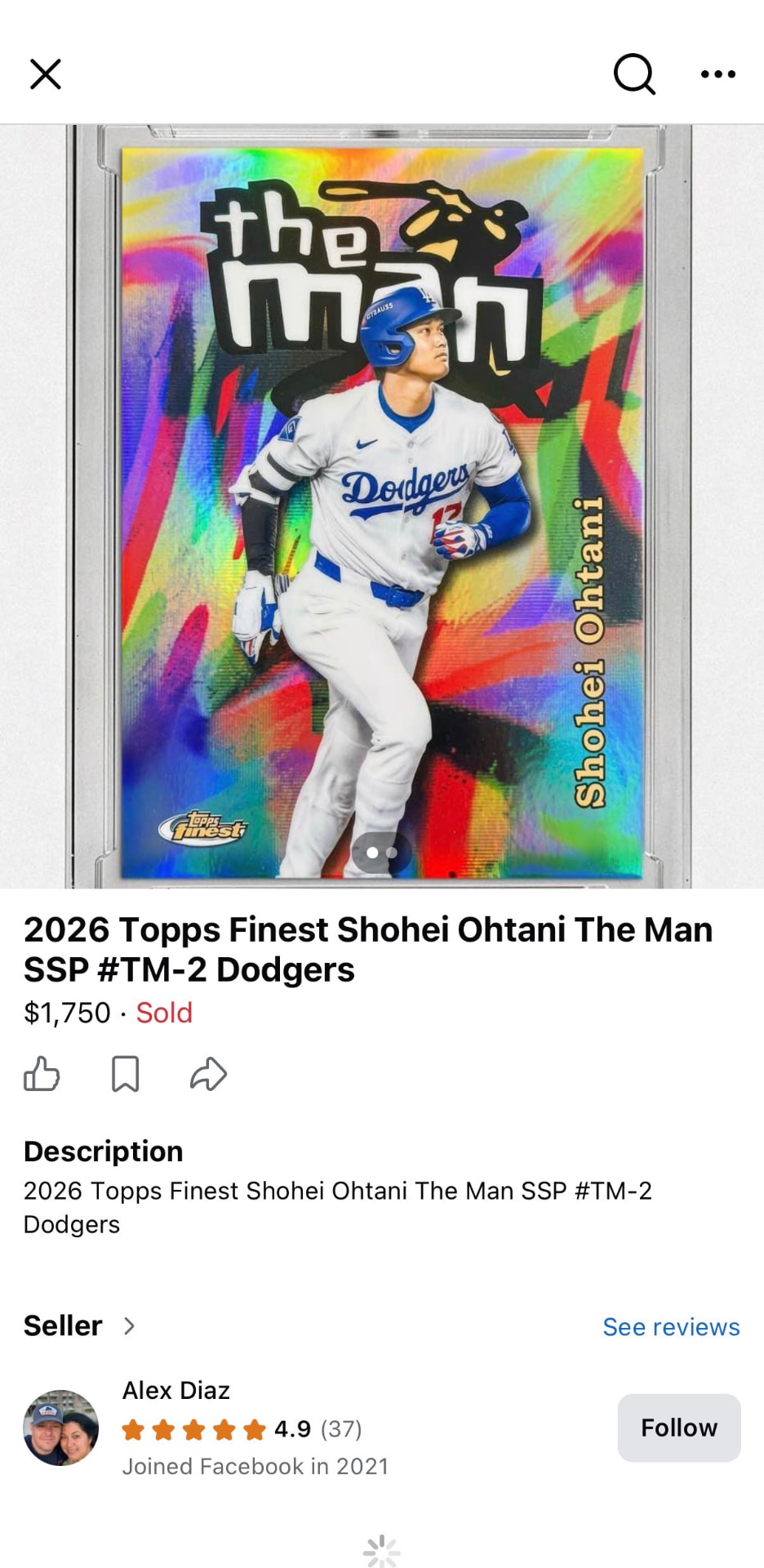
Facebook: Alex Diaz — the Marketplace seller profile behind the listing.

Quick answers

Who is Ballpark Alex?

Who is Ballpark Alex?

Ballpark Alex — @ballpark_alex on Instagram, real name Alex Diaz of Miami, Florida — is a sports card seller with roughly 17,000 followers and a seat on the CTCA Advisory Board, where he co-authors a column about trust and transparency in the hobby.

What did Ballpark Alex do?

He sold a $1,200 Shohei Ohtani card using AI-enhanced listing photos that hid corner damage, never disclosed it, refused a partial or full refund, deleted the listing, and blocked the buyer.

Is ballpark_alex a scammer?

This page lays out one buyer's experience — listing photos, “proof” photos, the damaged card that arrived, and his own messages — so you can judge for yourself. He never denied the AI editing and refused every resolution offered.

The hypocrisy

The “Trust Guy” who wrote the book on it

Alex Diaz sits on the advisory board of the CTCA and co-authors its Collector Trust Series — a column teaching collectors about transparency, disclosure, and accountability. Here are his own published words, next to what he actually did.

“Trust me, the card is clean… But trust isn't something that should be demanded. It's something that's earned.”

His article: “Trust Should Never Require Blind Faith” — thectca.org/trust

What he did: Sold a damaged card as “real clean,” then demanded the buyer trust him when the tracking went dark.

“Transparency is only half the equation. The other half is accountability.”

His article: “Who Is Accountable?” — thectca.org/trust

What he did: Refused a partial refund. Refused a full refund with the card returned. Accepted zero accountability.

“Trust is built when something goes wrong.”

His article: “Trust Is Earned in the Dark” — thectca.org/trust

What he did: When something went wrong, he deleted the listing and blocked the buyer.

Disclosure shouldn't be optional.

His article: “Disclosure Shouldn't Be Optional” — thectca.org/trust

What he did: Used AI-enhanced photos that hid the damage, and disclosed nothing.

Read his series yourself: thectca.org/trust · thectca.org

The record

In his own words

Transcribed from the seller's messages, dated, from the buyer's records. Original screenshots on file.

“No, it's real clean. I got it in a break.”

Asked directly whether the card had any noticeable damage — before the sale.

“You will get that card.”

After days of no tracking movement, no drop-off receipt, and rising doubts.

“Why in the f--- would someone that is deep in the card world and has as many followers as I have try to f--- anyone over with cards man? Think about it.”

His defense: his follower count.

“…now I don't give a s---. Do your worst kid. I'll take my chances. Oh and I'm blocking you here also. ✌️”

After being offered a partial refund, or a full refund with the card returned.

The receipts

The evidence

Undisclosed damage

Three sets of images tell the whole story: what was advertised, what he sent as “proof,” and what actually arrived in the mail.

1 · What was advertised — the AI-enhanced listing photos

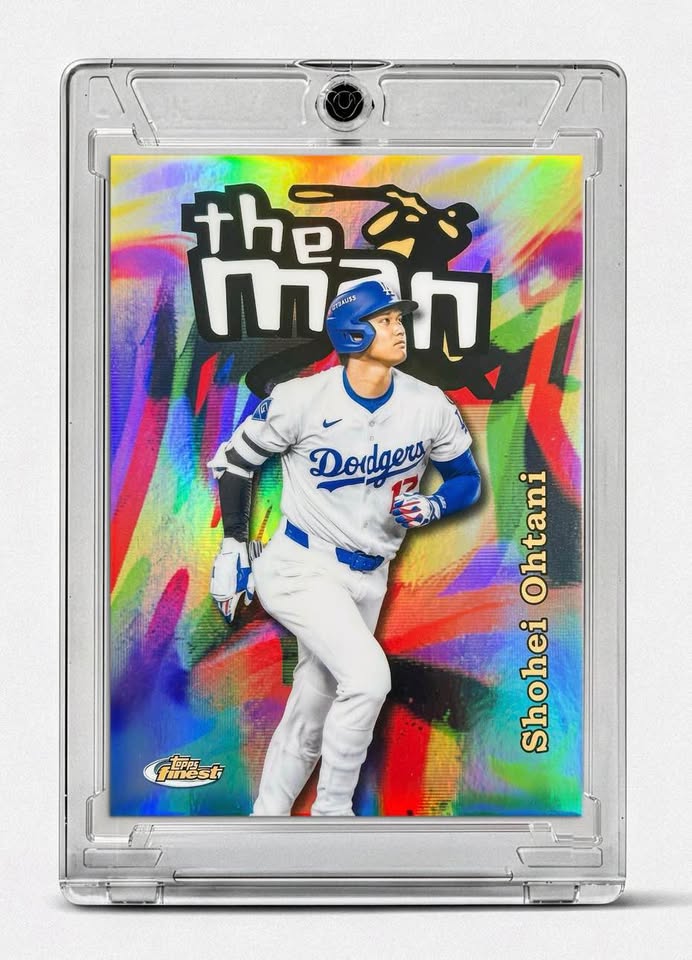
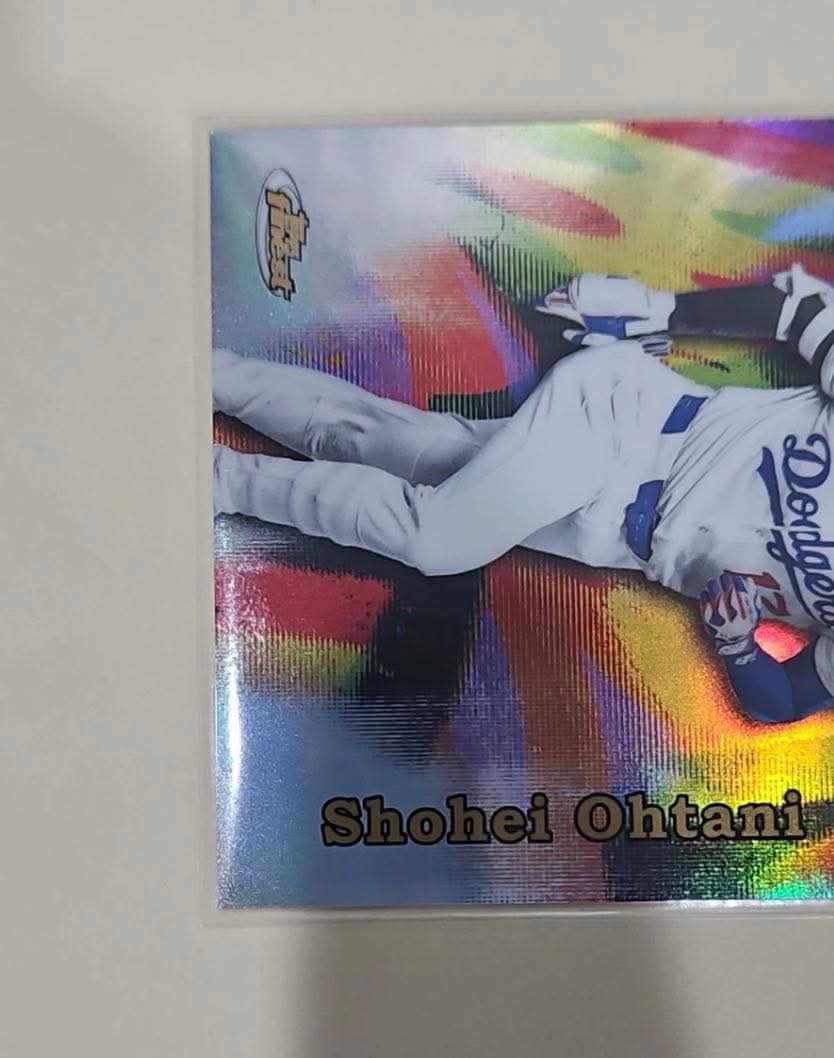
AI-enhanced listing photo from Ballpark Alex — Ohtani card front, damage edited out
Listing photo, front. Corners razor-sharp, surface flawless. This image was AI-enhanced; the real corner damage is edited out.
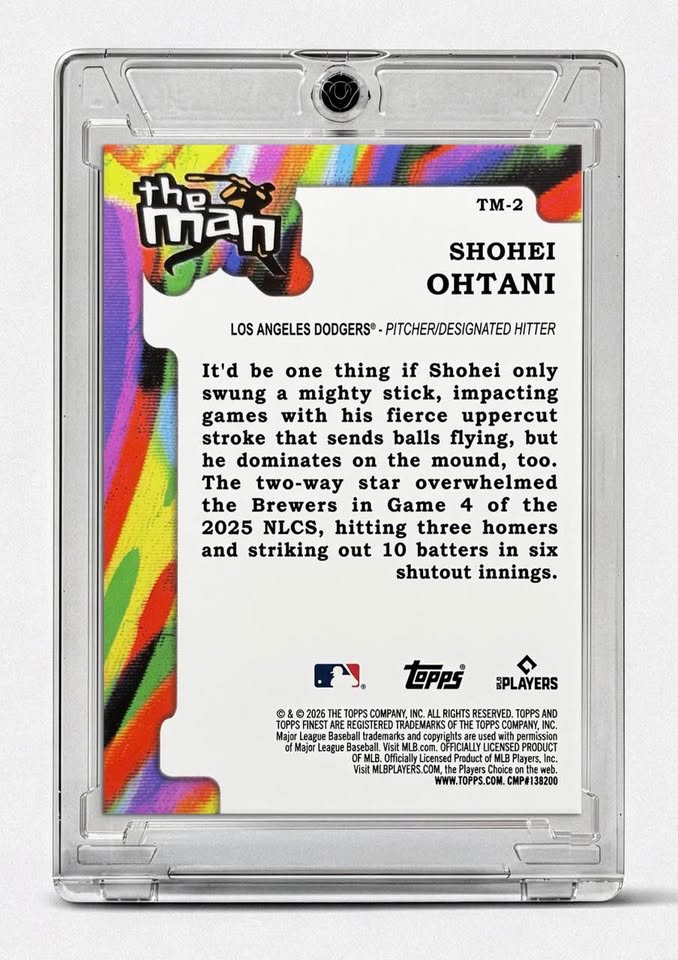
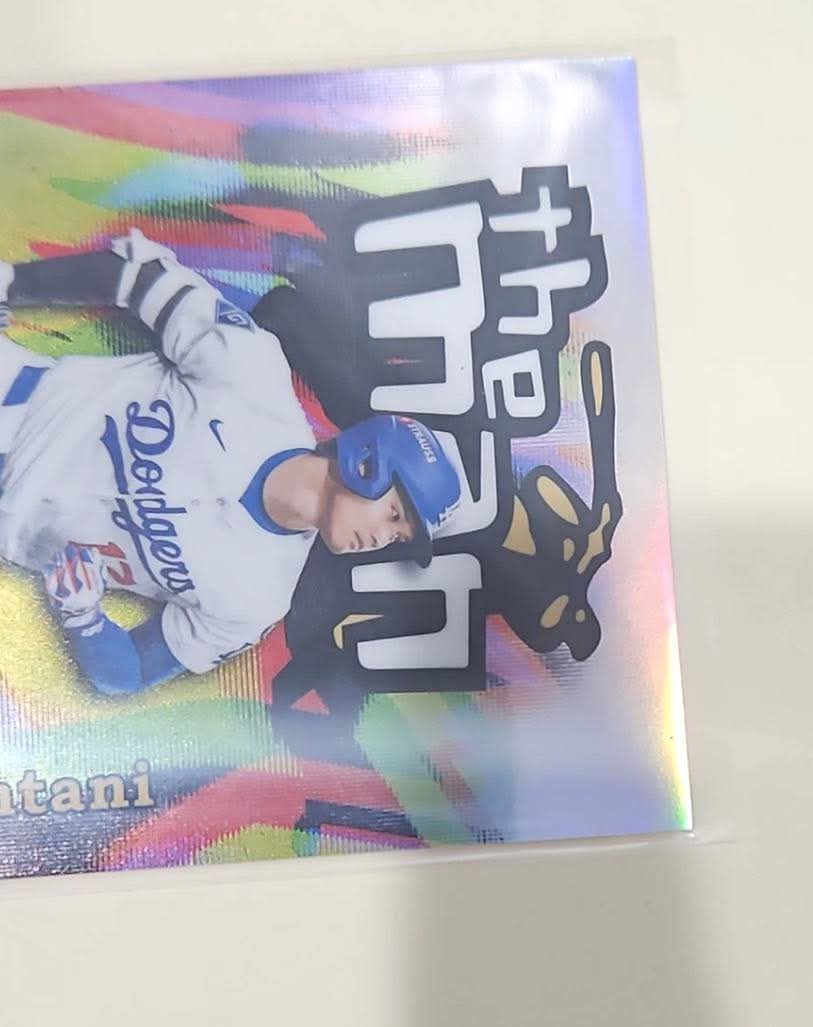
AI-enhanced listing photo from ballpark_alex — Ohtani card back
Listing photo, back. Studio-perfect render — no wear anywhere.

2 · What he sent as “proof” — photos that weren't of the buyer's card

“Proof” photo Ballpark Alex sent — not the card that arrived
Sent when the buyer asked for more photos before paying. No damage visible — because this is not the card that arrived.
Second “proof” photo from ballpark_alex — card back, no damage shown
Second “proof” photo. Again, no damage. Neither image matches the card that arrived.

3 · What actually arrived — the damaged card

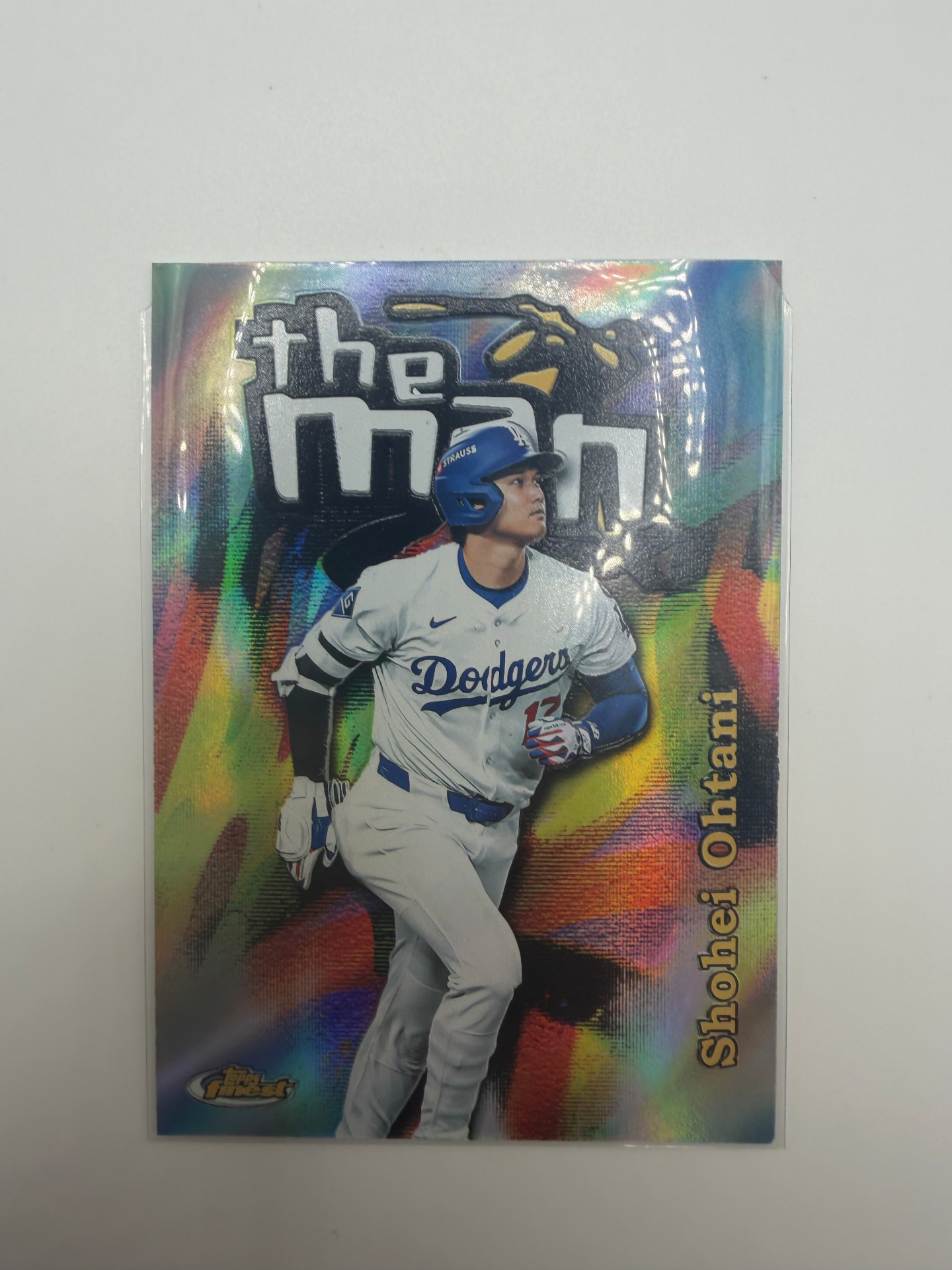
Damaged Ohtani card as received from Ballpark Alex — soft corner
The card as received. The bottom-right corner is soft — clearly not the card in the listing or the “proof” photos.
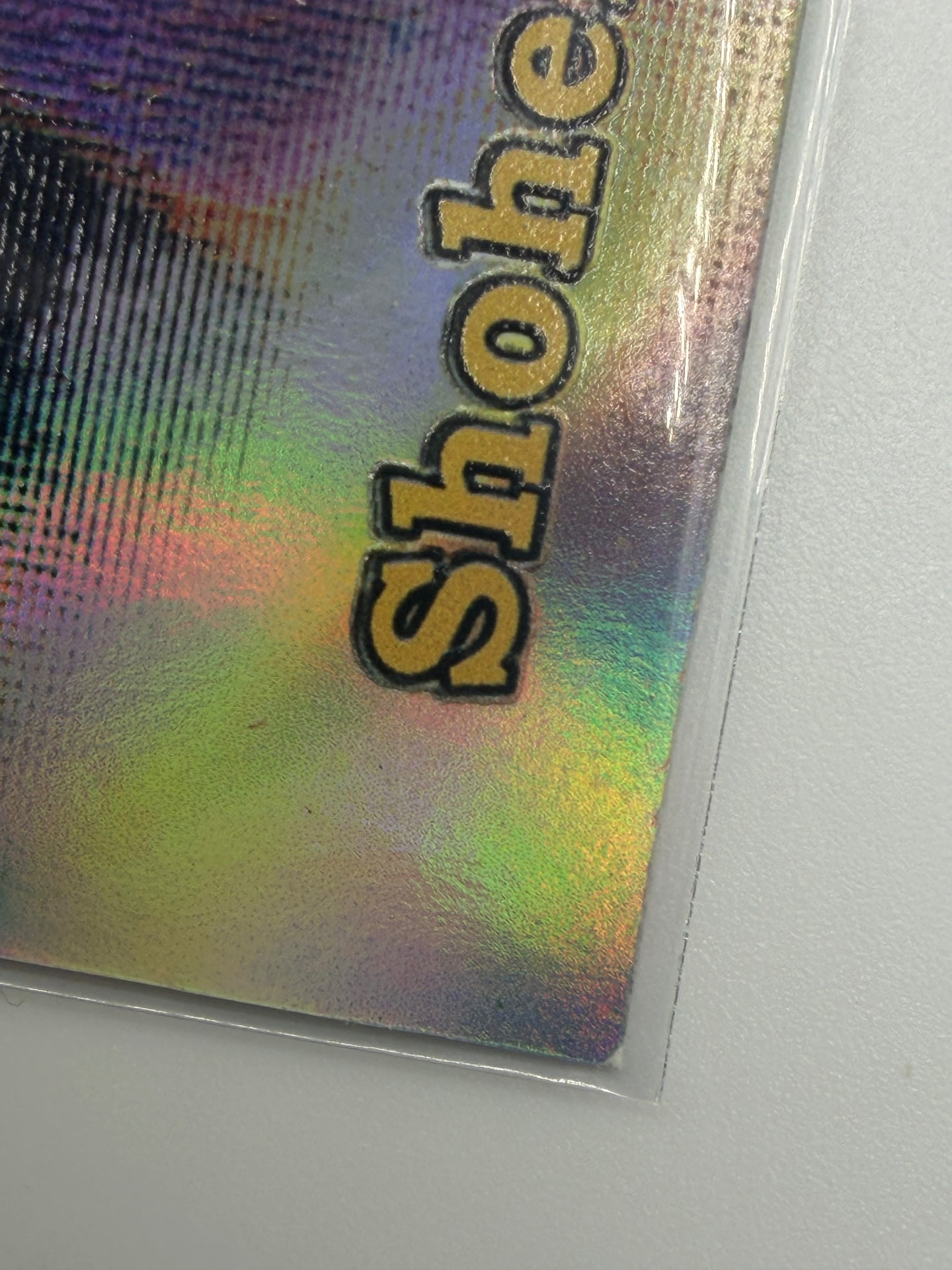
Close-up of corner whitening on the damaged card ballpark_alex sold as mint
Close-up: whitening and wear on the corner. This damage was never disclosed and was edited out of the listing photos.

The listing itself — deleted after the confrontation

Ballpark Alex (Alex Diaz) Facebook Marketplace listing — $1,750, marked sold
The Facebook Marketplace listing: $1,750, marked Sold. Seller “Alex Diaz,” 4.9 stars, 37 reviews — a reputation buyers trust.
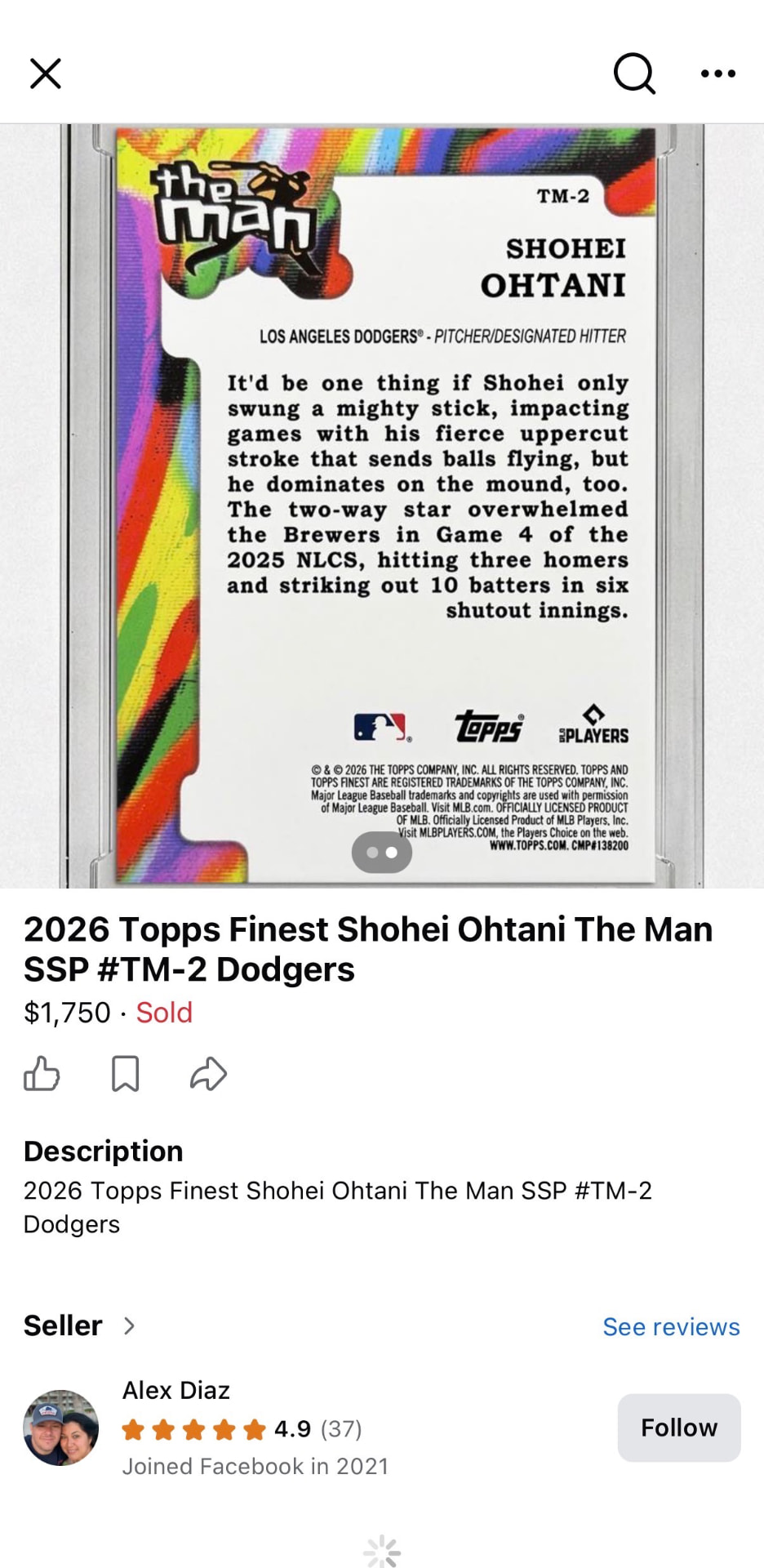
Deleted Facebook Marketplace listing by ballpark_alex — card back
Same listing, card back. He deleted it after the confrontation; the buyer had already screenshotted everything.

What happened

Step by step

  1. 1

    The listing

    A 2026 Topps Finest Shohei Ohtani “The Man” SSP #TM-2, listed at $1,750 with immaculate AI-enhanced photos. The buyer asked directly about damage: “No, it's real clean. I got it in a break.”

  2. 2

    The deal

    They settled on $1,200 over Zelle — recipient registered as “Alexis Diaz.” Zelle's new-recipient limit forced three payments: $500, $500, $200.

  3. 3

    The “proof” photos

    When the buyer asked for extra photos before finishing payment, he sent close-ups showing no damage. They were not of the card they would receive.

  4. 4

    The shipping saga

    Aug 16–22. Days of no tracking movement, no drop-off receipt, shifting stories — “it was all electronic” became “I have proof of drop off” — and a mid-crisis pitch to buy another card.

  5. 5

    The arrival

    The card showed up with a soft, whitened bottom-right corner. The buyer stripped the metadata from his images; the listing photos had been AI-enhanced. The damage was never visible in anything he sent.

  6. 6

    The refusal

    The buyer offered a partial refund, or a full refund with the card returned. His answer: “Do your worst kid. I'll take my chances.” Then he deleted the listing and blocked them.

Refund refusedBuyer blockedListing deleted

Last known whereabouts

Find him online

The profiles behind the sale and the organization lending him credibility. Verify for yourself.

Protect yourself

How to spot an AI-edited card photo

AI clean-up tools can erase a creased corner in seconds. A short checklist of surface, text, lighting, and metadata checks catches most edited listing photos before money changes hands.

Read the checklist

Did this happen to you too?

If you bought from Ballpark_alex and something did not add up, share what happened and upload any screenshots or photos that support it.